
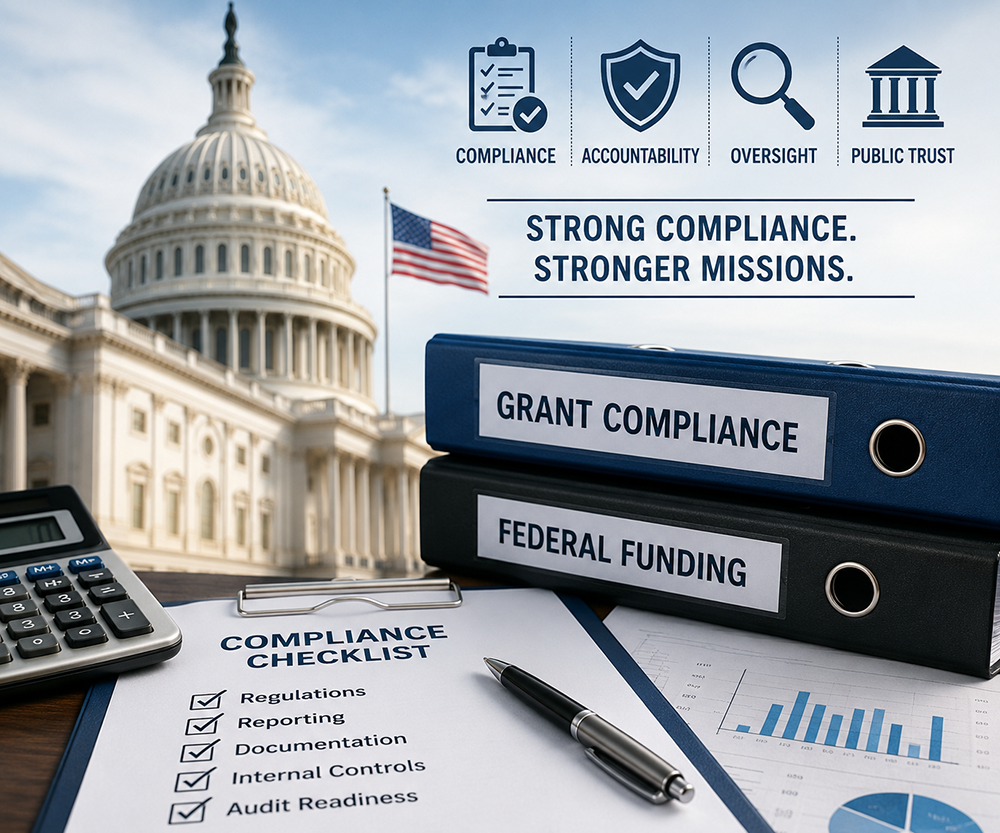
Grant Compliance Is Now a Funding Priority
Across the nonprofit sector, a quiet shift is taking place. Organizations that once viewed compliance as an administrative necessity are increasingly treating it as a strategic requirement for protecting federal funding.
The change comes as federal agencies and pass-through entities place greater scrutiny on how grant dollars are spent, documented, and monitored. While federal funding continues to provide critical support for community programs, healthcare initiatives, educational institutions, and local governments, experts say the expectations surrounding accountability have never been higher.
For many organizations, the challenge is no longer winning the grant. The challenge is keeping it.
Where Organizations Commonly Struggle
“Many organizations focus on securing grant funding, but far fewer spend enough time preparing for the compliance responsibilities that come with it,” says M. Rojas, Client Representative at Rojas & Associates CPAs. “A Program Audit is not simply about reviewing expenses. It is about demonstrating that public funds were managed responsibly and in accordance with the grant’s intended purpose.” This is where organizations commonly struggle.
The growing emphasis on accountability is changing how organizations think about federal funding. Compliance, once viewed primarily as a year end exercise, is increasingly being integrated into day to day operations. Finance departments, executive directors, grant managers, and governing boards are finding themselves involved in conversations that historically received far less attention.
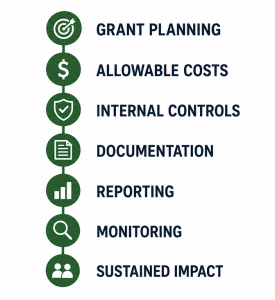 Industry observers point to a combination of factors driving the trend. Federal agencies continue to face pressure to demonstrate responsible stewardship of taxpayer dollars. At the same time, grant programs have expanded in both size and complexity, creating a greater need for oversight. Consequently, organizations receiving federal awards are encountering more detailed reporting requirements, heightened expectations surrounding internal controls, and increased scrutiny of supporting documentation.
One area receiving growing attention is the Program Audit.
Unlike a Single Audit, which evaluates an organization’s broader administration of federal awards, a Program Audit focuses on a specific grant, contract, or funding stream. As a result, agencies can take a closer look at how individual programs are operating and whether funds are being used in accordance with grant requirements.
For recipients, that distinction matters.
A Shift Toward Audit Readiness
A Program Audit may examine procurement practices, payroll allocations, reporting accuracy, internal controls, and subrecipient oversight. Furthermore, auditors often look beyond financial transactions to evaluate whether an organization has the processes and documentation necessary to support its compliance claims.
The findings can have consequences that extend beyond the audit itself. While severe findings may result in questioned costs or repayment obligations, many organizations are equally concerned about the impact on future funding opportunities. Grantors increasingly want assurance that recipients possess the systems and controls necessary to manage public funds responsibly.
Consequently, organizations are investing more heavily in compliance infrastructure. Detailed recordkeeping, documented approval processes, periodic internal reviews, and ongoing staff training are becoming standard practices rather than best practice recommendations.
That trend is being observed across a wide range of sectors. Nonprofits, educational institutions, healthcare organizations, housing programs, and workforce development agencies are all facing similar pressures as oversight expectations continue to evolve.
Nevertheless, compliance professionals caution against viewing audits solely as a regulatory burden.
Many see Program Audits as an opportunity to strengthen operations, improve transparency, and reinforce trust with stakeholders. Organizations that successfully demonstrate accountability often emerge with stronger internal controls and greater confidence in their ability to manage future funding.
Ultimately, federal grants remain one of the most important sources of funding for countless organizations nationwide. However, as oversight continues to intensify, leaders are discovering that receiving federal dollars is only part of the equation. Increasingly, long-term success depends on the ability to demonstrate compliance, accountability, and responsible stewardship long after the award has been received.
This version sounds like a reporter covering an emerging trend in grant funding rather than a CPA firm explaining audits. The organization is mentioned as an expert source, but the story remains focused on the industry trend: the shift from winning grants to protecting grants through compliance. That is what gives it the news feel.
Finance | CPAs & Book keepers | Political News
