

Families Struggle With Ballooning Utility Bills
Electric Bills Continue Rising, Putting Millions of Families in Debt
As energy prices surge, American families are falling behind on their utility bills in alarming numbers. Over 20 million households now owe a collective $16 billion to power companies, according to a recent report from the National Energy Assistance Directors Association (NEADA). Experts warn this crisis will only deepen as electricity rates climb even higher next year.
“Rising energy costs bring Fear to Americans facing financial struggles”
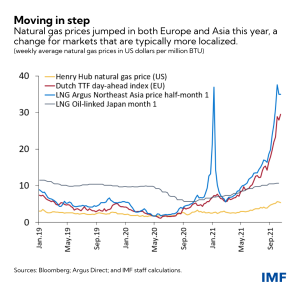
The U.S. Energy Information Administration predicts the average residential electricity price could hit 15.24 cents per kilowatt-hour in 2023, up 3.3% from 2022. This follows a 7.5% year-over-year increase from 2021 to 2022. “Higher retail electricity prices largely reflect an increase in wholesale power prices driven by rising natural gas prices,” the agency explained in its Short -Term Energy Outlook that was recently released. The stories continue to mount as retail electric rates rise across the United States.
For families already struggling with inflation, these runaway energy costs may prove unmanageable. “These are very high prices and will not be affordable for many households,” said NEADA Executive Director Mark Wolfe. The advocacy group found the average past-due utility bill has nearly doubled from $403 before the pandemic to $792 today.
How do you fight against these rising energy costs? You can consider solar
Regional wholesale electricity price increases have been especially steep in New England (up 96% year-over-year) and New York (up 124%), according to government projections. But no area of the country is immune. Even the Southwest, which has seen smaller rate hikes around 25%, could still average nearly $70 per megawatt-hour over the course of 2022.
“We expect to see continued high arrearages accrued by families who cannot afford to pay these high prices on top of continued high rates [of] inflation in other essential goods like food and shelter,” Wolfe warned. NEADA is calling for more federal Low Income Home Energy Assistance Program (LIHEAP) funding to prevent widespread service shutoffs. But with natural gas prices hitting a 16-year high, it seems clear that American families will continue struggling to keep the lights on.
US House Holds
This local news article is about rising energy costs that are causing hardships to those facing financial difficulties as we transition to a more green economy.
This article is related to:
Rising Energy Costs
Impact of higher energy costs
